Who is your place really for?
A building is just a building until people fill it. Too many spaces are designed first and filled later, and end up half-empty, costing money and missing the people they were meant for. We start with the people, then design, set up and run the space around them, so it pays its way and people want to be there.
The problem
Most buildings are designed first, then filled with people later.
A developer delivers a ground floor because planning asked for it. An estate promises the neighbourhood a community space. A foundation opens a building for its mission. Nobody sets out to get it wrong, but the people who’ll use the space are usually the last ones asked.
So it gets built the way places were built decades ago: for one kind of person, with everyone else expected to fit in. It sits half-used, tenants drift away, and the people who’d love it walk straight past.
That costs you money, and it breaks a promise to the neighbourhood. Good design helps, but it won’t fix it on its own. You need to know who your users are, from the freelancer to the start-up to the parent on the school run, what they need and when they’d come.
Inclusive doesn’t mean for everyone. It means being clear about who your place is for, whether that’s a sector like health or music or a community like parents or faith groups, and going out to find the people it’s missing. When done well, one building can serve a few of them brilliantly, often at different times of day.
How we make it work
We design the space, build the business and run it.
We've opened and run spaces for working parents, health innovators and a whole estate going through regeneration, so we know what it takes to make one work day to day. We bring together the right team, including architects and designers we trust, to design your space around the people who'll use it, then build the business behind it and run it.
Get to know who'll use it
Who the space is really for, what they need and what's stopping them coming.
Design the whole journey
The space, brand, price and programme, all keeping the same promise from first visit to feeling at home.
Put the right systems in
Policies, processes and tech that take the admin away, so your team can focus on people.
Run it
We can run it for you, or train your own team to run it.
Keep track
Occupancy, income, costs and social value, reported in plain numbers your board can trust.
You end up with a busy, well-run space, and the evidence your board, funders and planners want to see.
Every project starts with a paid set-up phase covering the first three steps, so you know exactly what you're getting before anything opens. After that, we run it for a monthly management fee plus a share of the income the space brings in, so we're as invested in filling it as you are. Where it makes sense, we take on the lease ourselves.
Who's behind it
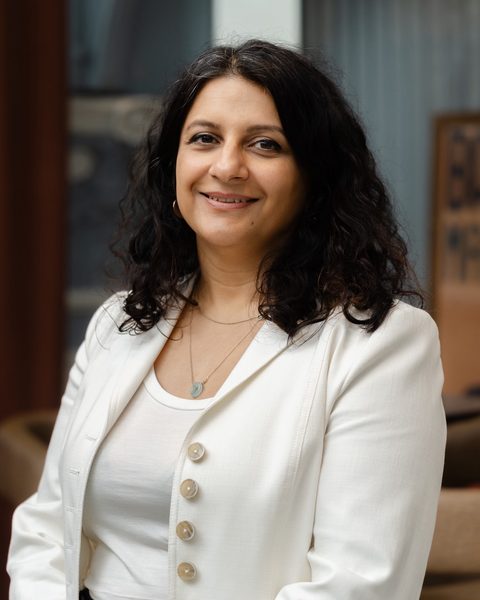
Shazia Mustafa
People should be the starting point of a building, not an afterthought.
I started in audience research at BBC Radio 5 Live and Nokia. Then I built Third Door because I needed it: somewhere to work with my child close by. It became the world's first coworking space with a flexible nursery under the same roof, and we built the booking software that made the flexibility possible. It won awards and turned a profit.
Today I run a health innovation workspace for a London foundation. I've also managed a large community centre and affordable workspace in London, right through a major estate regeneration. Almost two decades on, I know this industry and the people in it, so I can lead the strategy, bring in the right people and deliver. And I still ask one question of every place I work on: who is this really for?
It's Not Coworking is my Substack, where I explore what makes places work, and who they really work for.
Talk to us
Tell us about your building.
Whether you're an estate or developer who wants more than bums on seats, a foundation whose building should be doing more for its mission, or a council or housing association bringing a high street or community centre back to life, we'd love to hear from you. If you're not sure who your space is for, or the honest answer is "everyone", that's a good place to start.
We'll tell you straight what your building needs, what it will cost and whether we're the right people to run it.
Thank you.
Your message is with us, and we'll get back to you by email, usually within two working days.
In the meantime, you can find more of our thinking on It's Not Coworking.
Questions
The short answers
What does Inclusive Placemaking Co. do?
We're a London-based operator. We design, set up and run community spaces, workspaces and ground floors, starting with the people who'll use them, so the space pays its way and people want to be there.
Who do you work with?
Estates and institutional landlords, developers, foundations and charities, and councils and housing associations with space to fill, whether it's new, empty or not working as well as it should.
Are you consultants?
No. We do the research and the design, then build the business behind the space and run it day to day, or train your team to.
Do you design the space itself?
Yes. We bring in architects and designers we trust, and shape the layout, brand, pricing and programme around the people the space is for.
How do you charge?
A paid set-up phase first, then a monthly management fee plus a share of the income the space brings in. Where it makes sense, we take on the lease ourselves.